
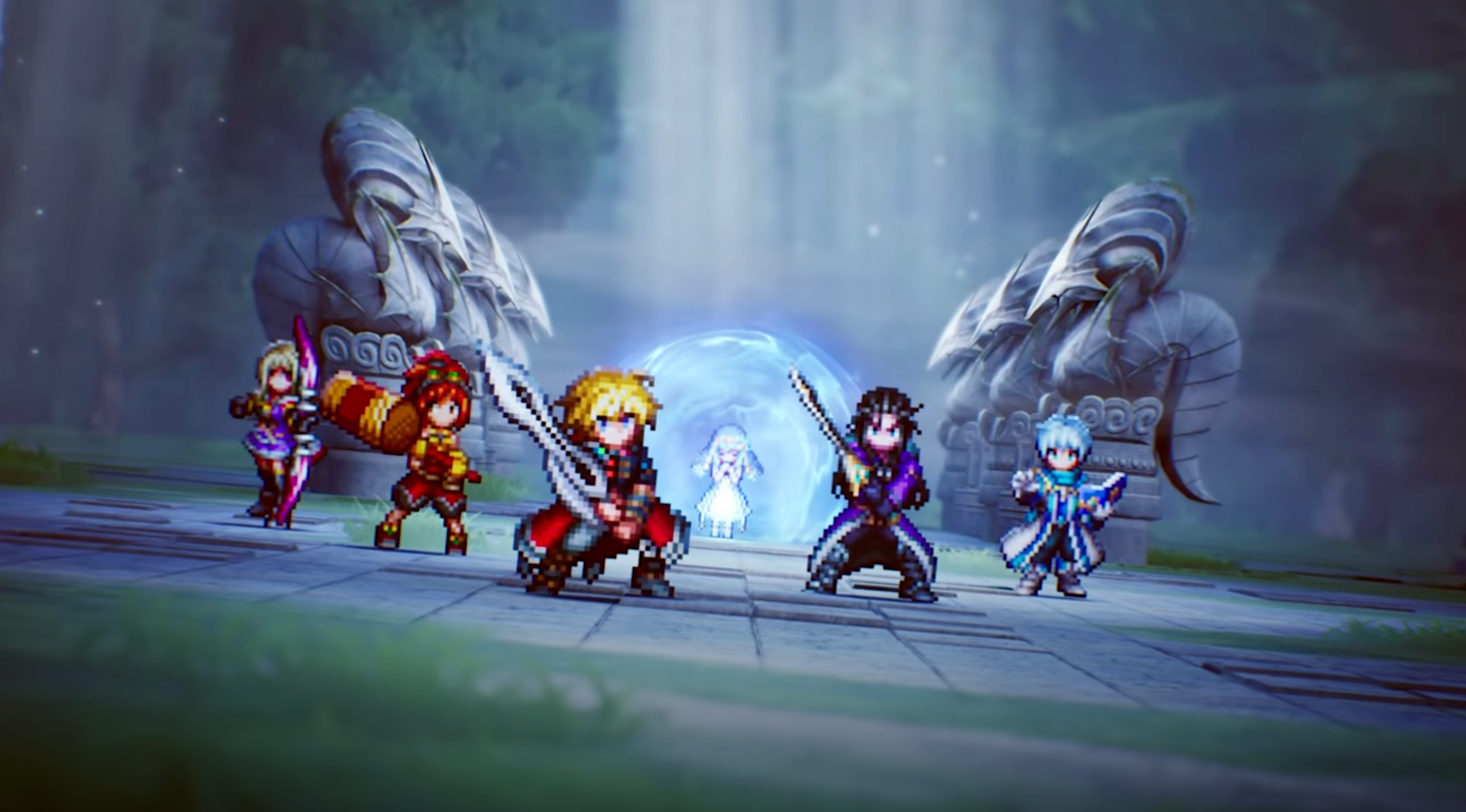
Exploration and systems
Use screenshots to anchor map, town, dungeon, quest, item, battle, and system pages as details are confirmed.
Wiki hub
The Final Fantasy Resonance Wiki is a living reference for the new HD-2D RPG: release status, platform notes, Brave Exvius background, story setup, combat terms, character pages, and post-launch database work.
Use screenshots to anchor map, town, dungeon, quest, item, battle, and system pages as details are confirmed.
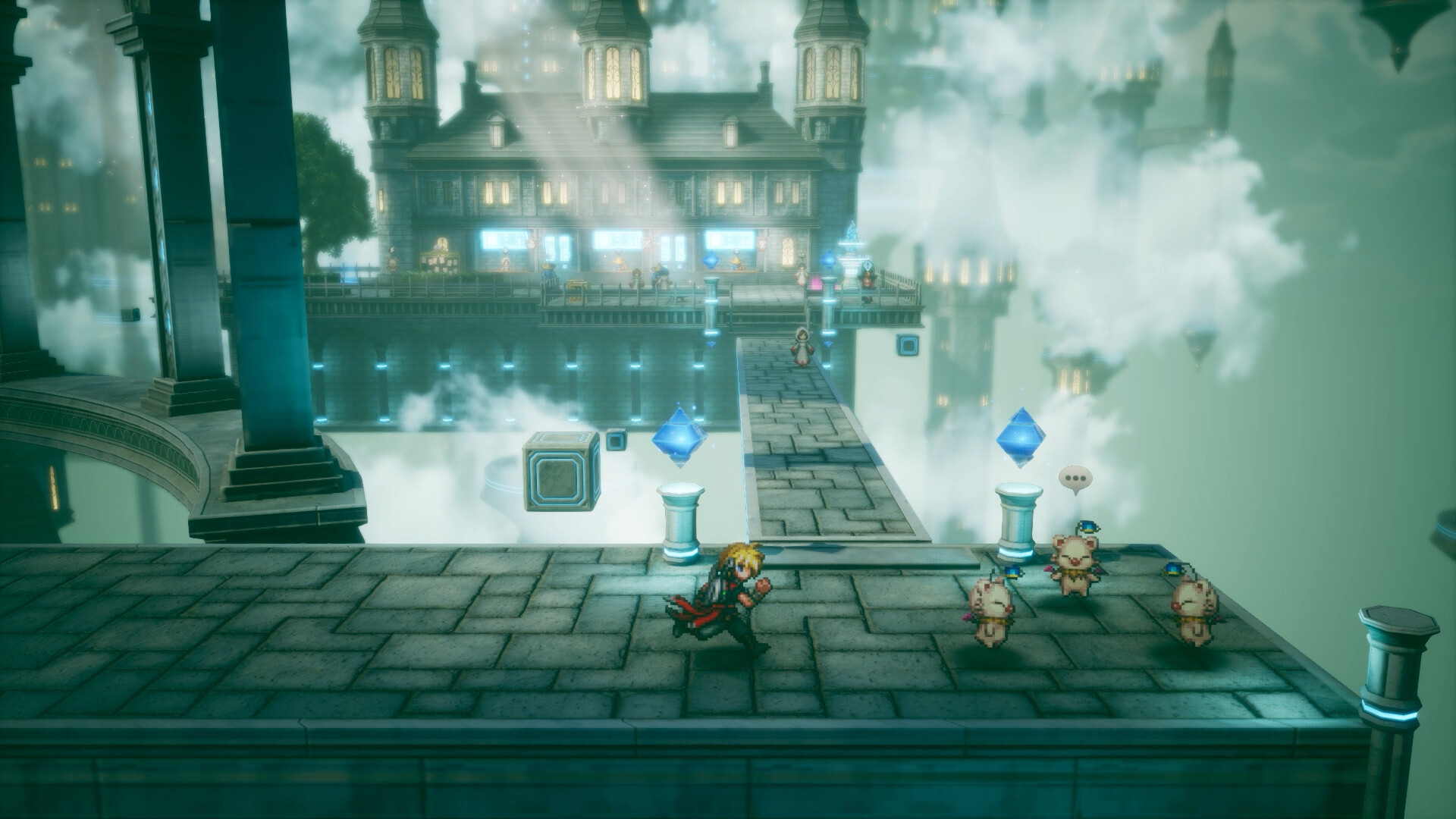
Track trailer-confirmed locations, story setup, Rain and Lasswell context, crystal imagery, and links to Brave Exvius background.
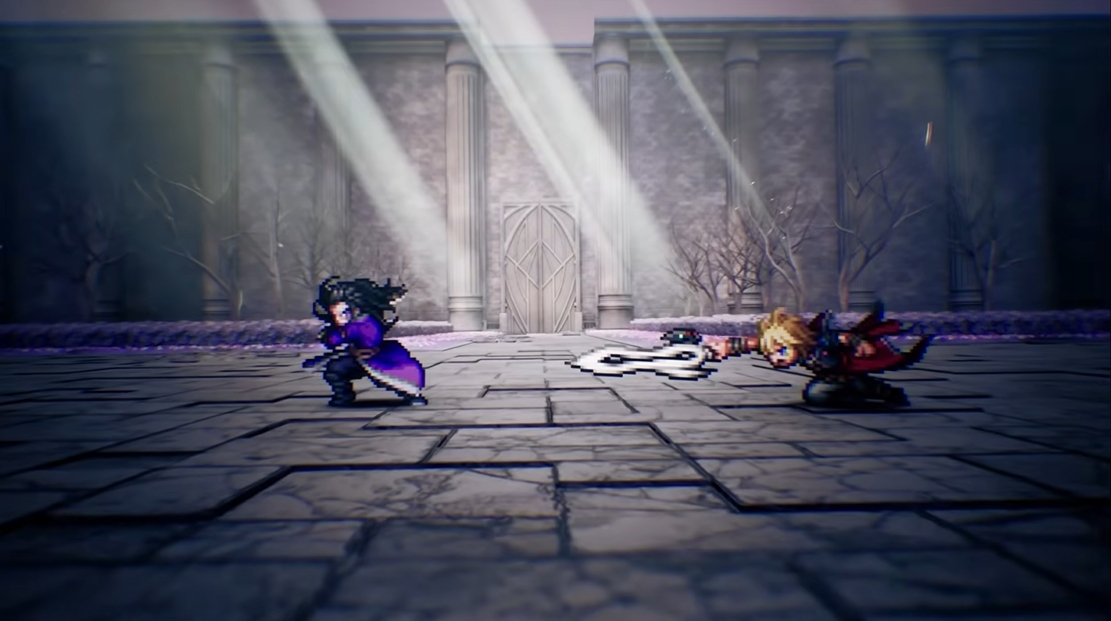
Prepare tables for skills, summons, party roles, boss weaknesses, launch builds, and turn-based mechanics.
The Final Fantasy Resonance Wiki should start with what players are already trying to verify: the October 22, 2026 release date, the Switch 2 and Switch announcement, the wider PS5, Xbox Series, and Steam platform list reported by media, the HD-2D visual style, and the connection to Final Fantasy Brave Exvius. The page should not pretend that every mechanic is known. Instead, it separates confirmed launch facts from trailer-visible details and open questions.
For players searching before launch, the most useful Final Fantasy Resonance Wiki structure is simple: release facts at the top, story context next, then systems, characters, database, FAQ, and guide links. After launch, this same hub can expand into area pages, boss pages, item tables, character profiles, summon pages, and walkthrough chapters without changing the URL.
| Topic | Current wiki note | Status |
|---|---|---|
| Release date | October 22, 2026 is the announced date. Store-specific unlock times can vary by country and platform. | Confirmed by announcement coverage |
| Platforms | Nintendo Switch 2 and Nintendo Switch were highlighted during the Nintendo announcement; PS5, Xbox Series, and Steam are also reported in launch coverage. | Confirmed/reported |
| Visual style | The game is described as an HD-2D Final Fantasy entry, placing pixel-art characters and dramatic lighting inside layered 3D scenes. | Confirmed by trailer coverage |
| Battle format | Coverage and community reaction point to a turn-based RPG structure. Exact gauges, party limits, and progression rules still need official detail. | Partly confirmed |
| Series context | Early discussion connects the project to Final Fantasy Brave Exvius, especially names such as Rain and Lasswell and the idea of a full offline RPG treatment. | Reported/background |
Final Fantasy Resonance matters because it pulls a mobile-era Final Fantasy world into a premium console and PC format. Final Fantasy Brave Exvius built a large cast, a crystal-centered fantasy setting, and a long-running structure around Rain, Lasswell, Fina, visions, summons, and crossover-style Final Fantasy nostalgia. A useful Final Fantasy Resonance Wiki should explain that background without assuming every Brave Exvius system returns unchanged.
For new players, the basic context is this: Rain and Lasswell are often discussed as central Brave Exvius figures, while the new game's reveal material emphasizes an HD-2D remake-like treatment rather than a live-service mobile format. That means the wiki should be readable for two audiences at once. Veteran Brave Exvius players need continuity notes, changed names, and missing systems. New players need a plain story primer, a cast list, and explanations of why the community is watching this release closely.
The best structure is not a lore dump. Start with the revealed premise, then add character pages as facts arrive, then maintain a separate comparison table for Brave Exvius references. A wiki page can say that a name, location, or summon has Brave Exvius roots only when the connection is visible or properly sourced.
The word resonance already has series history. The Final Fantasy Wiki on Fandom lists Resonance, also known as Resonate, as a recurring enemy ability across several Final Fantasy entries, including appearances tied to Final Fantasy VIII, Final Fantasy XIII-2, Final Fantasy XIV, Final Fantasy Tactics Advance, and Final Fantasy Record Keeper. That older ability page is not a plot summary for the new game, but it is useful context because the word carries a familiar Final Fantasy feeling: magic reacting, enemies vibrating with power, weapons or bodies responding to a force, and multiple elements acting together.
For this Final Fantasy Resonance Wiki, the title should be handled as a theme until Square Enix explains it directly. The safest interpretation is that resonance may connect crystals, characters, summons, worlds, or memories. The reveal language around hope and crystals makes that kind of reading natural, but the page should keep it as interpretation, not confirmed canon. This is exactly where a wiki can be better than a news post: it can preserve the difference between a source-confirmed fact and a useful theory.
The gameplay section should become the busiest part of the wiki after release. Before launch, the page can organize terms players will search: turn-based combat, HD-2D exploration, party members, summons, character skills, equipment, bosses, and platform performance. The goal is to prepare the skeleton early so every new trailer, preview, or hands-on report has a clear home.
Battle
Track party size, command names, turn order, break or stagger-like rules, summons, enemy weaknesses, healing, status effects, chocobo or airship traversal, and speed controls. If previews reveal a system name, the wiki should use that official wording instead of inventing its own term.
Exploration
Use screenshots as anchors for area names, traversal rules, treasure lists, NPC locations, and quest unlocks. The dark landscape and battle frames are strong visual cues, but exact map names should wait for official confirmation.
Database
Once the game launches, build tables for weapons, armor, accessories, crafting materials, recovery items, key items, shops, drop sources, and upgrade requirements. Each table should link to the most relevant guide or boss page.
Summons
If the game uses cameo characters, visions, summons, or guest heroes, the wiki should separate story characters from summon-style appearances. Coverage already points to classic visions such as Cloud, Terra, and Clive, so this split keeps the character page useful and avoids mixing canon roles with battle-only appearances.
A strong Final Fantasy Resonance Wiki needs character entries before it needs a huge tier list. Character pages can start with neutral information: name, source status, role in the story, trailer appearance, possible Brave Exvius connection, combat hints, and related images. Once the game is playable, those same pages can add skills, weapons, unlock timing, best use cases, and links to the tier list.
For now, the character hub should prioritize Rain, Lasswell, Fina, confirmed party members, and any clearly revealed cameo or summon figures. If Cloud, Terra, or other legacy Final Fantasy characters appear only as summons or guest references, the wiki should say so clearly. Players searching for this kind of reference usually want certainty, not fan guessing presented as fact.
| Section | Player question | Best content format |
|---|---|---|
| Release facts | When does it release, what time, what platforms | Quick facts, countdown note, platform table, update log |
| Story and world | Is this related to Brave Exvius, who are Rain and Lasswell | Story primer, timeline, spoiler-free context, source labels |
| Combat systems | Is it turn-based, how battles work, summons, weaknesses | Mechanic explainers, screenshots, tables, examples |
| Characters | Playable characters, cameo characters, best party members | Profiles, role cards, image galleries, launch updates |
| Database | Weapons, items, bosses, areas, quests, rewards | Searchable tables, route links, collection notes |
This page should follow an official-first method. Official trailers, store pages, publisher posts, and platform pages should define names and dates. Media previews can explain gameplay impressions, but preview language should be attributed as preview information. Reddit, forums, and community threads are useful for finding player questions, but they should not become facts unless they point back to a reliable source or direct footage.
This approach also helps future guide writing. When a YouTube preview shows a battle menu, the guide page can turn it into an article. When a store page lists PC requirements, the homepage can summarize them. When launch players discover boss weaknesses, the database can collect them. The wiki page remains the index that connects everything.
No. Current coverage describes it as a new HD-2D Final Fantasy RPG connected to Brave Exvius context, not as Final Fantasy XVII. The Final Fantasy Resonance Wiki should treat it as its own release until Square Enix says otherwise.
Announcement coverage and community discussion point to turn-based battles. Exact mechanics such as party size, weakness rules, command names, and summon timing still need more official detail.
Not directly. That page explains Resonance as a recurring Final Fantasy enemy ability. It is useful for series-language context, but this Final Fantasy Resonance Wiki uses it only as background for the title's meaning.
Use the wiki for facts, terms, characters, and database links. Use the guide for practical articles, video breakdowns, boss help, and launch-day walkthrough content.
Read next
Start with character profiles, compare future strength notes on the tier list, or open the beginner guide for early combat, exploration, visions, and party-planning advice.